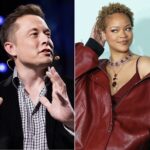
World Shocked by Elon Musk’s $5,000 Robot That Cooks Better Than Chefs
Elon Musk has once again captured global attention with his latest innovation—a $5,000 robot that reportedly cooks better than professional chefs. This groundbreaking development has left the culinary world in shock, raising questions about the future of the food industry and whether human chefs will soon be replaced by machines.

The billionaire entrepreneur, known for revolutionizing industries ranging from electric vehicles to space exploration, unveiled his latest creation through his company’s AI and robotics division. According to Musk, the robot is equipped with advanced artificial intelligence, precision cooking technology, and the ability to learn and adapt recipes based on user preferences.
Unlike conventional kitchen robots, which merely follow pre-programmed instructions, Musk’s robot uses machine learning to refine its cooking techniques. It can analyze taste preferences, adjust seasoning levels, and even perfect complex culinary techniques such as sous-vide cooking and molecular gastronomy. Reports suggest that the robot can prepare gourmet meals in record time while maintaining an impressive level of consistency—something even the best chefs struggle to achieve.

Critics of the technology argue that cooking is more than just following instructions; it is an art that requires passion, creativity, and a human touch. However, early testers of Musk’s robot have expressed amazement at the quality of the meals it produces. One food critic who was invited to a private demonstration said, “I never thought I’d say this, but the robot-made meal I had was better than dishes I’ve tried at Michelin-starred restaurants.”
The announcement has sparked widespread debate among chefs, food enthusiasts, and restaurant owners. Some chefs fear that AI-powered kitchen assistants could eventually replace them, while others see the technology as a tool to enhance their skills rather than eliminate their jobs. Restaurant chains are particularly interested in the potential cost savings and efficiency improvements that could come with employing robotic chefs instead of human staff.
Musk has assured skeptics that his intention is not to replace chefs but to create a tool that makes high-quality meals more accessible. “This robot isn’t about eliminating jobs—it’s about democratizing fine dining,” he stated in a recent interview. “Imagine a world where everyone, regardless of income, can enjoy a perfectly cooked gourmet meal at home.”
The introduction of this AI-powered chef also raises concerns about the impact on traditional cooking education and culinary schools. If machines can cook with near-perfect precision, will future generations still see the value in learning the craft of cooking?

Despite these concerns, pre-orders for Musk’s cooking robot have already surpassed expectations, with tech enthusiasts, home cooks, and restaurant owners eager to test the device for themselves. As with any technological revolution, resistance is inevitable, but history has shown that innovation often leads to new opportunities rather than widespread job losses.
Whether this robotic chef will become a staple in kitchens worldwide remains to be seen. However, one thing is certain: Elon Musk has once again pushed the boundaries of technology, forcing the world to rethink what was once considered uniquely human.
News
Lil Wayne’s mother once encouraged her son to marry Nicki Minaj: “They are great as a couple”
Lil Wayne’s mother once encouraged her son to marry Nicki Minaj: “They are great as a couple” lil wayne Lil…

Breaking News: Rihanna Causes a Stir on Social Media After Criticizing Chris Brown, Telling Him Directly
Los Angeles, [Date] – Global superstar Rihanna has set social media ablaze after publicly criticizing her ex-boyfriend, Chris Brown, in a…

JUST IN: Cardi B Breaks Silence On Romance With Chris Brown After Filing For Divorce From Offset.
In a shocking turn of events, Cardi B has finally spoken out about the swirling rumors regarding her alleged romance…
Rihanna shocked the world when she turned down Elon Musk’s $50 million offer: “Keep it and spend it on something that actually helps people!”
In a move that has stunned both the music and tech worlds, pop sensation Rihanna recently turned down a staggering…

Angel Reese drew the line: “If Caitlin Clark Makes Team USA, I’m Gone for Good” – Head coach Cheryl Reeve immediately had to intervene and make a surprising statement
The basketball world was rocked by a bold and unexpected statement from WNBA star Angel Reese, who has publicly declared…

BREAKING: A’Ja Wilson FURIOUS As Caitlin Clark Gets MOST National TV Games with Indiana Fever!
The WNBA is heating up, and it’s not just because of the action on the court. Las Vegas Aces superstar A’Ja…
End of content
No more pages to load